HEYSONG Waterproof Shower Bluetooth Speaker, Durable & Portable with Clear Sound, Ideal for Shower, Pool, Beach & Kayaking – Great Gift for All Ages
$21.99 (as of April 4, 2026 07:21 GMT +00:00 - More infoProduct prices and availability are accurate as of the date/time indicated and are subject to change. Any price and availability information displayed on [relevant Amazon Site(s), as applicable] at the time of purchase will apply to the purchase of this product.)Search engines send the highest-quality traffic, customers actively looking for what you sell. Yet many BigCommerce store owners focus only on paid ads, leaving organic traffic on the table.
The barrier to entry for SEO is much lower than people think. With the right technical foundation and strategic optimization, even smaller stores can rank for competitive keywords.
This guide shows you the practical BigCommerce SEO tips and strategies that drive real results.
Whether you’re just starting with SEO on BigCommerce store or looking to improve your current rankings, you’ll find actionable advice for every aspect of ecommerce SEO optimization.
Summary
- BigCommerce has built-in SEO features; optimizing them is critical for organic growth
- Site structure, URL optimization, and technical health form the SEO foundation
- On-page optimization includes keyword targeting, title tags, and quality content
- Link building and authority signals strengthen rankings over time
- Regular SEO audits identify gaps and keep your store competitive
BigCommerce SEO Tips and Fundamentals
Understanding BigCommerce SEO Strengths
BigCommerce offers native SEO capabilities that rivals Shopify. The platform generates clean URLs, supports schema markup, and allows granular meta tag control. By applying BigCommerce SEO tips, you can take full advantage of these features to optimize your store’s visibility and search engine performance. However, these features only work if you actively configure them. Implementing proper BigCommerce SEO optimization from the start gives you a competitive advantage.
Merchants often ask “SEO for BigCommerce” and wonder if it’s different from traditional ecommerce SEO. The answer is: BigCommerce has some unique features that make SEO optimization easier than many competing platforms. Understanding these strengths helps you develop a comprehensive BigCommerce SEO strategy.
The SEO Hierarchy for Ecommerce
- Priority 1: Technical health (site speed, crawlability, mobile responsiveness)
- Priority 2: Site architecture (clear categories, logical navigation)
- Priority 3: On-page optimization (titles, descriptions, keyword targeting)
- Priority 4: Content and authority (blog posts, backlinks, reviews)
Start with foundations before chasing advanced tactics.

Technical SEO for BigCommerce Stores
Ensuring Fast Page Load Speed
Site speed is a ranking factor and conversion driver. Slow stores lose customers and rankings. BigCommerce provides decent defaults, but optimization helps:
- Compress images aggressively (use WebP format)
- Enable caching in your BigCommerce settings
- Use a CDN to serve assets globally
- Minimize CSS and JavaScript
- Test your speed with Google PageSpeed Insights
Mobile Optimization and Responsive Design
Over 60% of ecommerce traffic is mobile. Google prioritizes mobile experience. Your BigCommerce theme should be fully responsive. Test on multiple devices before launching.
Fixing Crawl Issues
Use Google Search Console to identify crawl errors, blocked URLs, and indexing issues. BigCommerce handles most crawling automatically, but check for:
- Duplicate content (pagination, filters)
- Broken internal links
- Pages blocked from indexing unintentionally
On-Page Optimization for BigCommerce Products
Crafting Compelling Title Tags
Title tags appear in search results and impact click-through rates. BigCommerce allows custom titles per product.
Best practice format: Primary Keyword – Product Name | Brand
Example: “Blue Running Shoes for Women – Nike Flyknit | SportGear”
Keep titles under 60 characters. Include your primary keyword early.
Writing Meta Descriptions
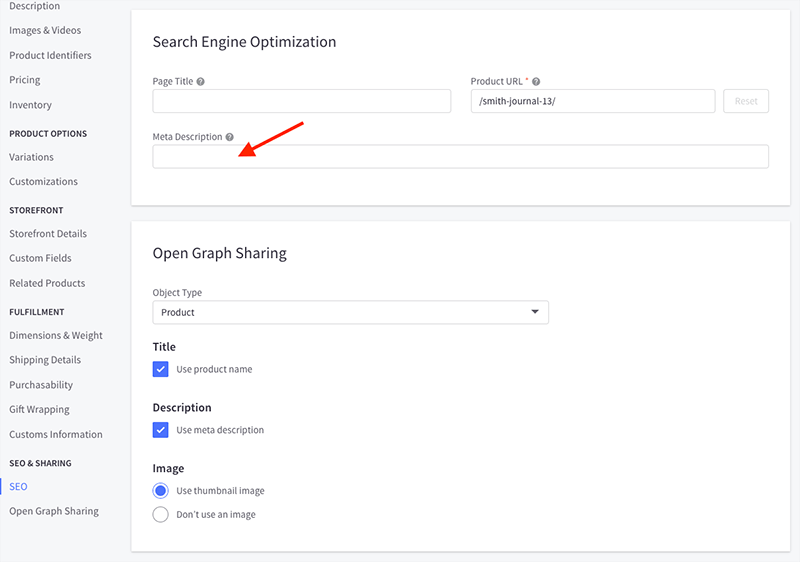
Meta descriptions don’t directly impact rankings but influence click-through rates. Write for humans, not search engines.
Formula: Benefit + Key features + CTA
Example: “Lightweight Nike Flyknit women’s running shoes with responsive cushioning. Free shipping on orders over $50.”
Aim for 150–160 characters.
Product Description Optimization
BigCommerce product descriptions should target keywords naturally while selling the product. Avoid keyword stuffing.
Include:
- Primary keyword in first 100 words
- Product benefits, not just features
- Specifications and materials
- Size/fit information
- Internal links to related products
Site Architecture and Internal Linking
Creating a Logical Category Structure
Organize your store so products are 2–3 clicks from the homepage. Clear categories help customers and search engines understand your site structure.
Example structure:
- Home > Clothing > Women > Shoes > Running Shoes
Internal Linking Strategy
Link from high-authority pages (homepage, category pages) to important products and deeper pages. Use keyword-rich anchor text, not “click here.”
Best practices:
- Link from category pages to top products
- Link related products within descriptions
- Use breadcrumb navigation
- Limit internal links per page to 50–100
Content Strategy for BigCommerce SEO
The Role of Blog Content
A blog is your best SEO tool. Write long-form guides targeting keywords your product pages can’t address. This builds authority and internal linking opportunities.
Blog post types:
- Buying guides (targets “best [product] for”)
- How-to articles (targets “[product] how to use”)
- Comparison posts (targets “[product A] vs [product B]”)
- Trend articles (stays fresh, evergreen value)
Targeting Long-Tail Keywords
“Running shoes” is competitive. “Best running shoes for flat feet” is more targetable. Create content around long-tail variations that your customers actually search for.
Building Authority and Backlinks
Local Link Building
If you’re a local business, get listed in local directories (Google My Business, Yelp, local chambers). This signals relevance for geographic searches.
PR and Mention Outreach
Get your products featured in relevant publications, blogs, and media. Media mentions send referral traffic and build authority.
Review and Testimonial Collection
Customer reviews are ranking signals and social proof. Actively encourage reviews. BigCommerce integrates with review platforms like Trustpilot.
Building Authority and Backlinks (Continued)
Local Link Building Strategy
If you’re a local business, get listed in local directories (Google My Business, Yelp, local chambers). This signals relevance for geographic searches. Consistent business name, address, and phone across all directories (NAP consistency) is critical for local rankings.
Local links and citations build local authority. A BigCommerce store in Denver selling ski equipment benefits from links from local Colorado tourism sites, Denver outdoor blogs, and Rocky Mountain publications. These local signals tell Google you’re relevant for geographic searches.
PR and Mention Outreach
Get your products featured in relevant publications, blogs, and media. Media mentions send referral traffic and build authority. A feature in a major publication (even a small mention) often generates links from dozens of other sites that cover the same story.
Identify media outlets, blogs, and influencers in your niche. Build relationships before you need coverage. When you have news (new product, milestone, compelling story), reach out. Even small outlets provide value, quality over quantity for backlinks.
Technical SEO Deep Dive
Site Structure and Navigation
How you organize your store affects SEO and user experience. A confusing structure loses customers and search engine robots. An organized structure with clear hierarchy helps both.
Ideal structure: Home > Category > Subcategory > Product (max 3 clicks from homepage). This keeps important products “close” to the homepage, signaling their importance. Deep buried products (5+ clicks) get less ranking benefit than prominently featured ones.
Breadcrumb navigation (Home > Clothing > Men > Shirts) helps both users and search engines understand site structure. Implement breadcrumbs on product pages. BigCommerce supports breadcrumbs natively, enable them.
URL Structure and Canonicalization
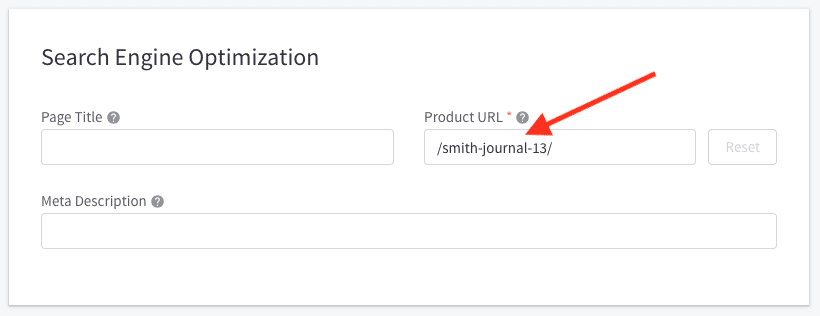
Clean URLs help SEO. Avoid URLs with parameters and special characters. Instead of:
- yourstore.com/products?id=12345&color=red
Use:
- yourstore.com/products/mens-red-running-shoes
Keywords in URLs provide a minor ranking boost and help users understand page content.
If you have multiple URLs leading to the same product (due to filters, sorting, or variants), use canonical tags to point duplicates to the main URL. This consolidates ranking signals.
Pagination and Faceted Navigation
If you have 100 products in a category, paginate them (Page 1, 2, 3, etc.). This creates multiple URLs for the same content. This is normal for ecommerce, but tell Google which page is the “main” page using rel=”canonical” tags.
Faceted navigation (filter by color, size, brand) creates duplicate content. Use canonical tags to point duplicate URLs to the main category page. This prevents search engines from wasting crawl budget on near-duplicate pages.
Measuring SEO Success
Key BigCommerce SEO Metrics
Track these metrics monthly to gauge SEO health:
- Organic traffic: Should grow 5-15% monthly with consistent effort
- Keyword rankings: Track top keywords and watch rankings improve
- Click-through rate (CTR) from search: Optimize titles and descriptions to improve CTR
- Conversion rate: Organic traffic often converts better than paid; track separately
- Page speed: Monitor with Google PageSpeed Insights; aim for 90+ score
Setting Realistic Timelines
SEO is not fast. Expect 3-6 months for initial results, 6-12 months for significant gains. Short-term results come from fixing technical issues and low-hanging fruit (easy keywords with low competition). Long-term results require content creation, authority building, and consistent optimization.
Don’t expect immediate sales from SEO. Early traffic comes from informational searches (people learning about products). Over time, transactional traffic (people ready to buy) increases. Patience and consistency beat aggressive tactics.
| SEO Element | Priority | Impact | Frequency |
| Site Speed | Critical | High | Quarterly |
| Mobile Design | Critical | High | Ongoing |
| Title Tags | High | High | Per product |
| Meta Descriptions | High | Medium | Per product |
| Internal Linking | High | Medium | Per new page |
| Blog Content | Medium | Medium | Weekly |
Key Takeaways
- BigCommerce has strong native SEO capabilities; configure them fully
- Start with technical foundations (speed, mobile, crawlability) before content
- Optimize title tags, meta descriptions, and product copy for target keywords
- Build internal links from high-authority pages to important products
- Use blog content to target long-tail keywords and build topical authority
- Implement comprehensive BigCommerce SEO optimization across all key areas
- Remember that SEO tips for BigCommerce store differ by niche, but fundamentals stay constant
Conclusion
BigCommerce SEO doesn’t require expensive consultants or magical tactics. Start with technical optimization, create clear site architecture, and write content targeting keywords your customers search for. Consistency beats intensity, regular optimizations compound over time.
Implementing BigCommerce seo tips doesn’t require expensive consultants or magical tactics. Start with technical optimization, create clear site architecture, and write content targeting keywords your customers search for. Consistency beats intensity, regular optimizations compound over time.
Ready to improve your BigCommerce rankings? Explore our BigCommerce development services or talk to our team about building a custom SEO strategy for your store.
FAQ
How long does it take to see BigCommerce SEO results?
Initial improvements appear within 4–8 weeks. Significant ranking gains take 3–6 months. SEO compounds over time; consistent effort with BigCommerce seo optimization matters more than quick wins.
What’s the most important BigCommerce SEO factor?
Site speed and mobile optimization are foundational. After that, quality product descriptions and strategic internal linking drive the most results. Proper BigCommerce seo starts with these fundamentals.
Does BigCommerce have built-in SEO tools?
Yes. BigCommerce allows custom URLs, title tags, meta descriptions, and schema markup. Use these seo for BigCommerce built-in tools fully before seeking third-party solutions.
Should I buy backlinks for my BigCommerce store?
No. Purchased backlinks violate Google’s guidelines. Focus on earning backlinks through content, PR, and relationships instead. Organic link building is essential for sustainable BigCommerce SEO.
How often should I update my BigCommerce SEO settings?
Review quarterly. Update titles and descriptions when product information changes. Refresh blog content annually to maintain relevance. Consistent optimization is what drives real seo tips for BigCommerce success.
Source: https://ecommerce.folio3.com/blog/bigcommerce-seo/